
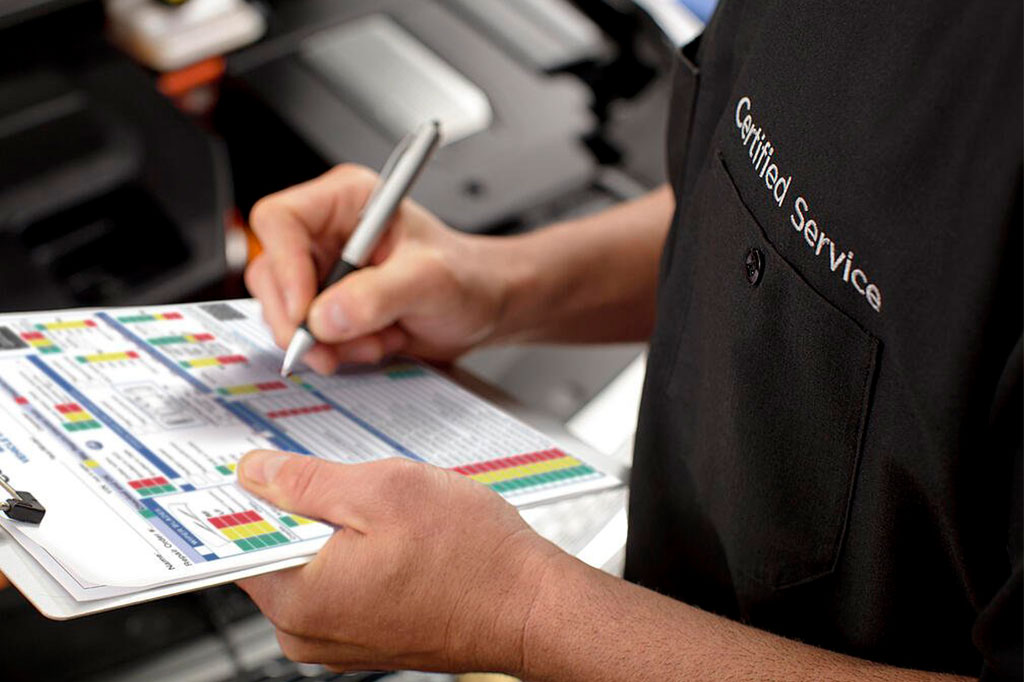
Of all the tools at the disposal of a facility manager, few are as simple or as important as a building preventive maintenance checklist. It’s the key to deciphering one of the most arduous tasks of overseeing facilities: upkeep and maintenance. A preventive maintenance checklist brings order and organization to an otherwise monumental task and gives facility managers the opportunity to look into the future—at the costs, challenges, and responsibilities ahead of them.
What is preventive maintenance in a building? In short, it’s the practice of preventing problems from arising by giving due attention to fundamental components that power larger systems. In the same way you get an oil change so friction doesn’t destroy your car’s engine, there are hundreds of simple tasks that keep facilities running smoothly. Channeling those many tasks into a checklist is the best way to keep track of them before small disruptions become big, costly problems.
What is a preventive maintenance checklist?
A preventive maintenance checklist includes any maintenance or upkeep tasks you can predict and plan for—usually recurring tasks. The idea is that doing these tasks will prevent avoidable problems from arising and keep critical systems running efficiently.
How do you prepare a preventive maintenance checklist?
Following an established preventive maintenance checklist is simple; creating one takes more forethought.
Start by identifying each of the critical systems within your building. This usually includes the HVAC system, plumbing, electrical, infrastructure, landscaping, and interior, although more complex facilities will come with more complex needs. Break each of these systems into its own section of the preventive maintenance checklist. “System” is the highest level in the taxonomy of a maintenance checklist.
Next, identify the complete scope of proactive tasks associated with each system. If you can plan for it or preempt something larger through a task, it belongs on the list. Some systems will include more tasks than others, but the goal is to create a comprehensive overview of each system.
Once you organize all the individual “tasks” by system, you’ll need to further organize them by “frequency.” Which tasks will you do daily? Weekly? Bi-weekly? Monthly? Quarterly? Bi-annually? Annually? Group tasks by frequency and order them from high to low frequency on the preventive maintenance checklist.
At this stage of building a preventive maintenance checklist, the framework of the checklist should be clear. It should be easy to flip through the plan to a specific system (HVAC), identify a preventive task (filter change), and see the frequency of that task (monthly). But this is still a basic approach to preventive maintenance. Modern software unlocks even more opportunities.
Software’s role in checklist creation
Facility managers can take static maintenance checklists and make them dynamic and connected. Imagine loading your checklist into a system with any of the following features:
Alerts for upcoming, due, and overdue maintenance tasks
Automated recordkeeping for completed maintenance tasks
Assigning preventive maintenance tasks to in-house staff and vendors
Linking maintenance tasks to a digital twin of the building
Reporting on scheduled and unscheduled maintenance for capital systems
The list of features and capabilities offered by modern maintenance tracking software goes on and on. These capabilities are important because they build on the automation principles introduced by a checklist. In a way, a checklist is a form of automation—or at a minimum, it contains the variables for automation. Software takes these variables and connects them to other important aspects of preventive maintenance management for more comprehensive results.
Consider roles and delegation
It’s best to assign responsibilities directly within the checklist, so there’s no confusion about who is responsible for each task.
At a basic level, you might assign tasks as “in-house” or “vendor.”
More specifically, you can assign tasks by “department” or “specific vendor.”
Once a task has an owner, go a step further and assign a specific date. Remember, these are preventive tasks that you can and should plan for, so schedule them as clearly and accurately as possible. On your checklist, it might look something like this:
(10/15) Replace Furnace Filter, Assigned to HVAC Vendor
The goal is for anyone to review your maintenance checklist and quickly understand which tasks are upcoming or due. They should also know who is responsible, when the task should be completed, and how it will be carried out.
Simple checklists are powerful tools
A lot of work goes into building a complete building maintenance checklist, but the payoff is well worth it. With a checklist in place, building management shifts from being a complex, chaotic task to a simplified and well-organized set of responsibilities. Best of all, it keeps facilities running smoothly and protects a company’s bottom line from avoidable costs caused by preventable problems. It all starts with a simple checklist.
Powered by: Purbly.com
Content By: Ryan Lee